

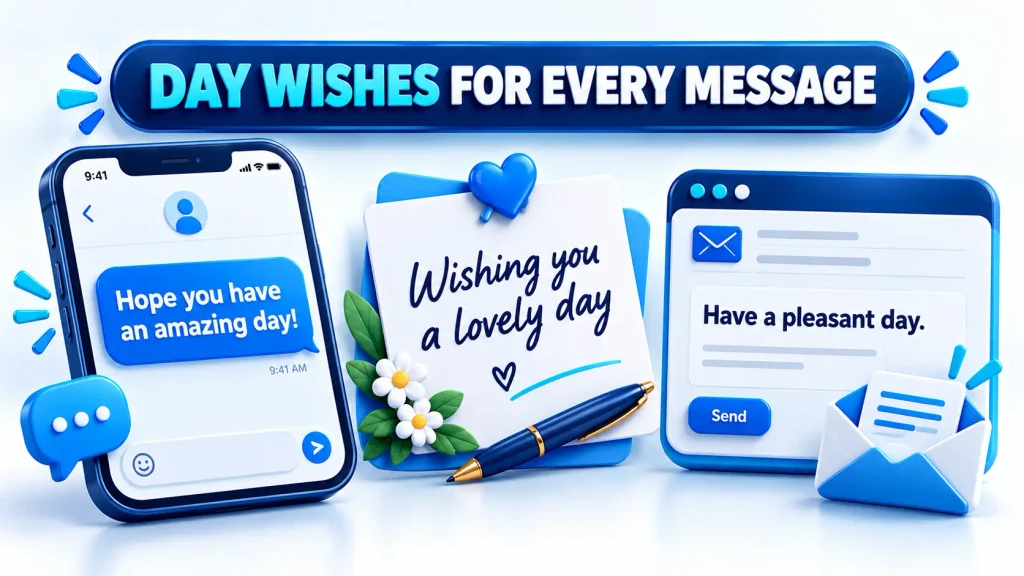
Another way to say have a wonderful day is “Have a great day,” “Enjoy your day,” or “Wishing you a lovely day.” For a professional message, try “I hope you have a pleasant day.” For friends and family, “Hope your day is amazing” sounds warm and friendly. Choose a phrase that fits your relationship and situation.
Key Takeaways
- “Have a great day” is a natural choice for almost any situation.
- “Enjoy the rest of your day” works well later in the day.
- “Wishing you a wonderful day” sounds warm and thoughtful.
- Professional messages benefit from polite, sincere expressions.
- The best alternative depends on your audience, tone, and context.
Looking for another way to say have a wonderful day? Whether you’re writing an email, sending a text, or ending a conversation, the right words can make your message feel more personal and sincere.
Although “Have a wonderful day” is friendly and polite, using the same expression repeatedly can feel predictable. A small change can help you sound more natural while keeping your message positive.
Below are 10 alternatives, with meanings, examples, and practical tips to help you choose the best expression for any situation.
What Does “Have a Wonderful Day” Mean?
“Have a wonderful day” is a friendly expression used to wish someone a pleasant, happy, or enjoyable day. It communicates goodwill and shows that you hope things go well for the other person.
People commonly use it when saying goodbye, ending emails, thanking customers, or sending messages to friends and family. The phrase works in both personal and professional settings because it sounds positive without being overly formal.
Why Use Other Ways to Say “Have a Wonderful Day”?
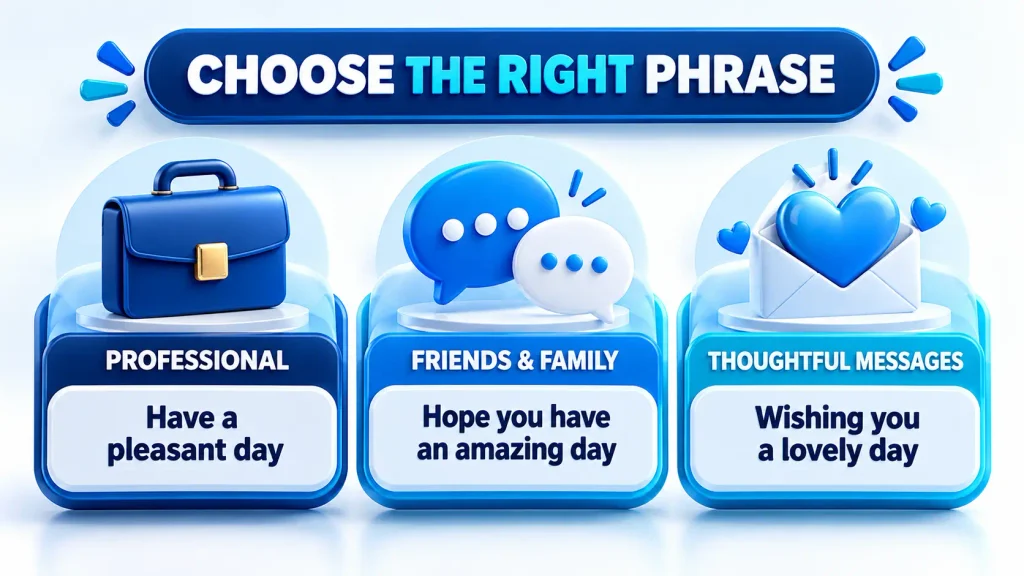
Choosing a different expression helps you match your message to the person receiving it. A coworker may appreciate a professional sign-off, while a close friend may prefer something more relaxed.
Other expressions can help you:
- Avoid repetition: Keep everyday conversations fresh.
- Sound more natural: Choose wording that suits your speaking style.
- Show warmth: Make personal messages feel more thoughtful.
- Improve professional communication: End emails politely and confidently.
- Match the occasion: Adjust your wording for mornings, afternoons, or special events.
10 Best Other Ways to Say “Have a Wonderful Day”
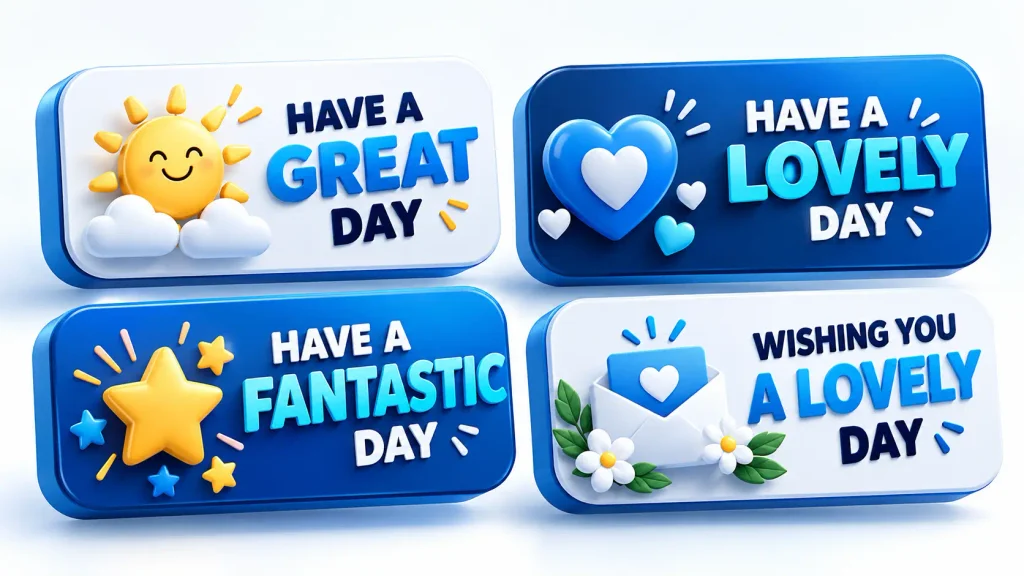
1. Have a Great Day
Meaning
“Have a great day” is one of the most natural alternatives to “Have a wonderful day.” It expresses a positive wish in simple, everyday language.
The phrase is friendly without sounding too casual, making it suitable for both personal and professional conversations.
Best For
- Professional
- Casual
- Friendly
- Polite
Example 1
“Thanks for taking the time to explain everything. Have a great day!”
Example 2
“I’ll send you the updated document this afternoon. Have a great day at work.”
Quick Tip
Use this phrase when you want a safe, versatile closing for emails, customer conversations, and everyday goodbyes.
When It Works Best
Choose it when you want to sound positive without adding too much emotion or formality.
2. Enjoy Your Day
Meaning
“Enjoy your day” encourages someone to make the most of their time. It feels relaxed and upbeat, especially when the person has plans, time off, or something enjoyable ahead.
Unlike a general well-wish, this phrase places a little more emphasis on the person’s experience.
Best For
- Casual
- Friendly
- Warm
- Polite
Example 1
“I hope the weather stays nice for your picnic. Enjoy your day!”
Example 2
“Your appointment is all set for 10 a.m. Enjoy your day, and we’ll see you next week.”
Quick Tip
Use it when someone has mentioned plans or activities they are looking forward to.
When It Works Best
It sounds especially natural when ending a conversation with a customer, colleague, friend, or neighbor.
3. Wishing You a Lovely Day
Meaning
“Wishing you a lovely day” is a warm and thoughtful expression. It sounds slightly more polished than everyday phrases such as “Have a great day,” while remaining approachable.
It works well in written messages when you want to leave the reader with a positive impression.
Best For
- Formal
- Professional
- Warm
- Polite
Example 1
“Thank you for your thoughtful feedback. Wishing you a lovely day ahead.”
Example 2
“I appreciate your help with the arrangements. Wishing you a lovely day!”
Quick Tip
Use this phrase in thoughtful emails, handwritten notes, or messages where a gentle, polished tone feels appropriate.
When It Works Best
It is a good choice when you want your closing to sound considerate rather than overly enthusiastic.
4. Hope You Have an Amazing Day
Meaning
“Hope you have an amazing day” expresses enthusiasm and genuine interest in someone’s happiness. It feels more energetic than “Have a great day” and is especially common in friendly conversations.
The wording is informal enough for texts but can also work in relaxed workplace communication.
Best For
- Casual
- Friendly
- Warm
Example 1
“Good luck with your presentation today! Hope you have an amazing day.”
Example 2
“I loved catching up with you yesterday. Hope you have an amazing day at the conference!”
Quick Tip
Pair this phrase with a personal detail, such as an interview or celebration, to make your message more meaningful.
When It Works Best
Choose it when you want to communicate excitement or encouragement, rather than a neutral goodbye.
5. Have a Fantastic Day
Meaning
“Have a fantastic day” is an enthusiastic alternative that communicates strong positive feelings. It sounds cheerful and energetic without being difficult to understand.
It is particularly useful when you want to encourage someone or end a conversation on a lively note.
Best For
- Casual
- Friendly
- Warm
- Polite
Example 1
“You’ve worked hard on this project, and I’m excited to see the results. Have a fantastic day!”
Example 2
“Thanks for stopping by our store today. Have a fantastic day, and we hope to see you again soon.”
Quick Tip
Use it when the conversation already has an upbeat tone. A simpler phrase may feel more appropriate in a serious or formal exchange.
When It Works Best
It is a strong option for friendly customer service, positive workplace conversations, and encouraging texts.
6. I Hope Your Day Goes Well
Meaning
“I hope your day goes well” is a considerate expression that focuses on how someone’s day unfolds. It feels sincere and supportive, especially when the person has responsibilities, challenges, or important plans ahead.
Its tone is gentle rather than overly cheerful.
Best For
- Professional
- Friendly
- Warm
- Polite
Example 1
“I know you have several meetings scheduled today. I hope your day goes well.”
Example 2
“Good luck with your first day at the new office. I hope everything goes smoothly.”
Quick Tip
Use this expression when someone has a busy schedule or an important event coming up.
When It Works Best
It is particularly effective when you want to show support without assuming that the other person’s day will be easy.
7. Have a Pleasant Day
Meaning
“Have a pleasant day” is a courteous and somewhat formal alternative. It expresses a wish for someone to enjoy a comfortable, agreeable day without sounding overly emotional.
The phrase is appropriate for customer service, professional exchanges, and situations where a measured tone is preferred.
Best For
- Professional
- Formal
- Polite
Example 1
“Thank you for confirming your appointment. Have a pleasant day.”
Example 2
“We appreciate your patience while we resolve this issue. Have a pleasant day.”
Quick Tip
Choose this phrase when politeness matters more than familiarity. In a casual text to a close friend, a warmer expression may sound more natural.
When It Works Best
Use it in service-related communication, business messages, and interactions with people you do not know well.
8. Enjoy the Rest of Your Day
Meaning
“Enjoy the rest of your day” is ideal when a conversation takes place after the morning or when someone has already started their day. It acknowledges the time that remains rather than referring to the entire day.
This makes it a practical, natural alternative for afternoon conversations.
Best For
- Professional
- Casual
- Friendly
- Polite
Example 1
“Thanks for walking me through the new process. Enjoy the rest of your day!”
Example 2
“Your order will arrive tomorrow. Enjoy the rest of your day, and thank you for shopping with us.”
Quick Tip
Use this phrase in afternoon emails, customer interactions, or conversations that are ending midway through the day.
When It Works Best
It is more precise than “Have a wonderful day” when several hours of the day have already passed.
9. Sending You Best Wishes for the Day Ahead
Meaning
“Sending you best wishes for the day ahead” conveys thoughtfulness and encouragement. It sounds more formal and deliberate than everyday greetings, making it suitable for carefully written messages.
Because it has a more polished tone, it may feel excessive in a quick, casual conversation.
Best For
- Formal
- Professional
- Warm
- Polite
Example 1
“Thank you for your continued cooperation. Sending you best wishes for the day ahead.”
Example 2
“As you prepare for the final stage of the competition, I’m sending you best wishes for the day ahead.”
Quick Tip
Reserve this phrase for situations where an intentional, thoughtful message feels appropriate. Avoid using it as a routine sign-off in every short email.
When It Works Best
It suits formal notes, supportive messages, and professional communication that calls for a little extra care.
10. Make Today a Great One
Meaning
“Make today a great one” is an upbeat expression that encourages someone to approach the day positively. It feels conversational and motivating, with a slightly more energetic tone than a standard well-wish.
It can be especially effective in morning messages or encouraging notes.
Best For
- Casual
- Friendly
- Warm
Example 1
“You have a fresh start and a clear plan. Make today a great one!”
Example 2
“Good morning! Take a deep breath, trust your preparation, and make today a great one.”
Quick Tip
Use it when you want to motivate someone. It works best when the message feels encouraging rather than demanding.
When It Works Best
Choose it for morning texts, team encouragement, or friendly messages before a busy day.
Comparison Table
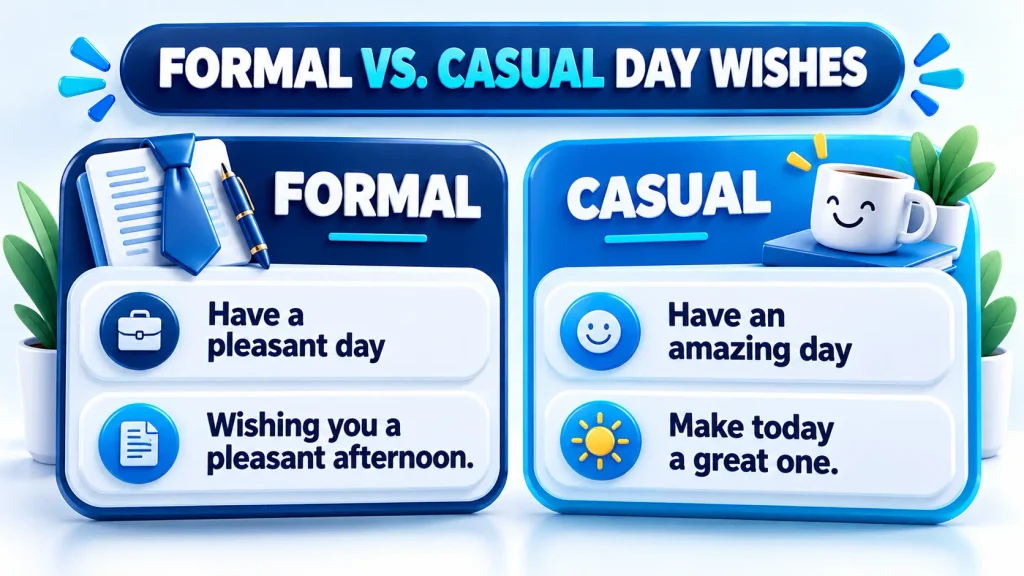
| Alternative | Best Used In | Tone |
|---|---|---|
| Have a great day | Emails and everyday conversations | Friendly, versatile |
| Enjoy your day | Casual messages and customer service | Relaxed, positive |
| Wishing you a lovely day | Thoughtful notes and emails | Warm, polished |
| Hope you have an amazing day | Texts and encouragement | Enthusiastic |
| Have a fantastic day | Upbeat conversations | Cheerful, energetic |
| I hope your day goes well | Busy schedules and important events | Supportive |
| Have a pleasant day | Business and service interactions | Formal, courteous |
| Enjoy the rest of your day | Afternoon conversations | Natural, polite |
| Sending you best wishes for the day ahead | Formal notes and supportive messages | Thoughtful, professional |
| Make today a great one | Morning texts and motivation | Encouraging, casual |
Common Mistakes When Wishing Someone a Wonderful Day
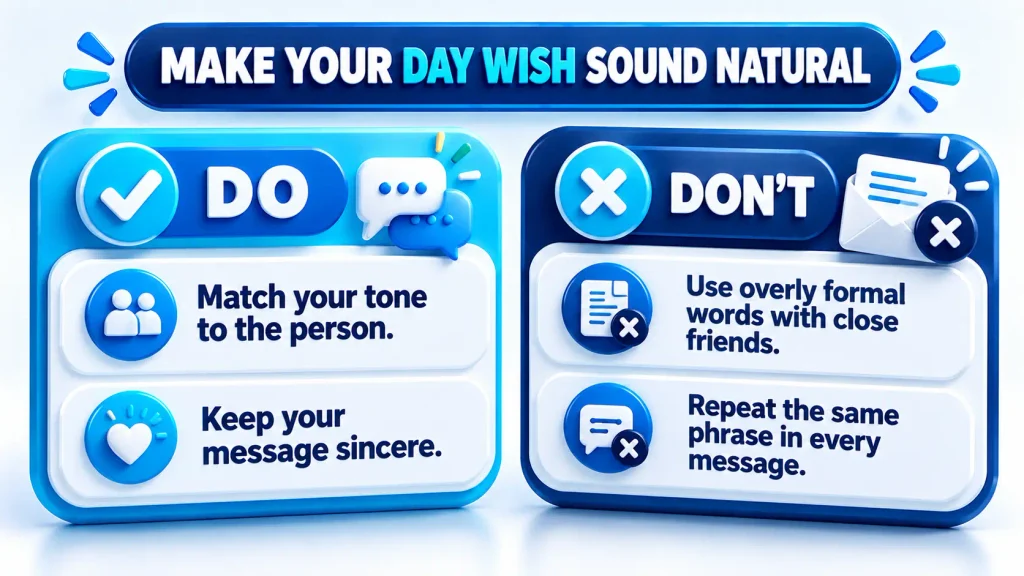
1. Using Casual Language in Every Professional Email
Expressions such as “Make today a great one” may feel too familiar in a formal business exchange. Choose wording that reflects your relationship with the recipient and the purpose of the message.
2. Making a Simple Message Sound Too Formal
Phrases such as “Sending you best wishes for the day ahead” can sound stiff in a quick text. Use everyday language when communicating with friends, family, or close colleagues.
3. Repeating the Same Closing Every Time
Using “Have a wonderful day” in every message can make your communication feel routine. Vary your wording naturally, but do not change phrases just for the sake of variety.
4. Ignoring the Time of Day
“Enjoy the rest of your day” fits an afternoon conversation better than a morning greeting. Choose an expression that matches when the interaction takes place.
5. Using a Phrase That Does Not Match Your Feelings
An overly enthusiastic wish may sound insincere in a serious conversation. Keep your message genuine, especially when someone is dealing with stress or a difficult situation.
Frequently Asked Questions
1. What is another way to say “Have a wonderful day”?
You can say “Have a great day,” “Enjoy your day,” “Wishing you a lovely day,” or “I hope your day goes well.” Each phrase communicates a positive wish, but the tone varies. Choose a casual expression for friends and a more polished option for professional emails.
2. What is a professional way to say “Have a wonderful day”?
“Have a pleasant day” and “I hope you have a great day” are professional alternatives. Both sound courteous without being overly formal. For an afternoon email, “Enjoy the rest of your day” is another natural choice that works well with colleagues, clients, and customers.
3. How do you say “Have a wonderful day” in a friendly way?
Try “Hope you have an amazing day,” “Have a fantastic day,” or “Make today a great one.” These expressions feel warm and conversational. You can make them more personal by mentioning something the person is looking forward to, such as a trip, celebration, or exciting opportunity.
4. What can I write instead of “Have a wonderful day” in an email?
For most emails, “Have a great day” is a simple, reliable choice. “Wishing you a lovely day” works well for a warmer closing, while “Have a pleasant day” suits more formal exchanges. Select a phrase that matches the email’s tone and your relationship with the recipient.
5. Is “Enjoy the rest of your day” polite?
Yes. “Enjoy the rest of your day” is polite, natural, and suitable for personal or professional conversations. It works especially well in the afternoon or evening, when part of the day has already passed. You can use it to end an email, a customer interaction, or an in-person conversation.
6. Is “Have a great day” better than “Have a wonderful day”?
Neither phrase is universally better. “Have a great day” sounds simple and familiar, while “Have a wonderful day” can feel slightly warmer or more enthusiastic. Both are appropriate in many situations. Choose the one that sounds most natural for your audience and the tone you want to convey.
7. How can I wish someone a wonderful day over text?
Keep your text short, warm, and relevant to the person. For example, write, “Good luck with your interview today! Hope you have an amazing day.” You could also say, “Enjoy your day off—you’ve earned it!” A personal detail makes your message feel more sincere than a generic greeting.
8. Can I use “Have a wonderful day” at the end of a business email?
Yes. “Have a wonderful day” is friendly and generally appropriate for business emails, particularly when you have an established relationship with the recipient. For a more formal exchange, “Have a pleasant day” may be a better fit. You can also use “Best regards” when a conventional professional sign-off is more suitable.
For related wording choices, see What to Say Instead of Hope You Had a Good Day, Different Ways to Express “I Hope” Without Repeating Yourself and Another Way to Say In a Way.
Conclusion
Finding another way to say have a wonderful day helps you make everyday conversations, emails, and text messages sound more natural. The best expression depends on your audience and the impression you want to leave. “Have a great day” works in almost any setting, while “Wishing you a lovely day” adds warmth to a thoughtful message. For professional exchanges, “Have a pleasant day” is courteous and polished. If you’re speaking with a friend or offering encouragement, “Hope you have an amazing day” or “Make today a great one” may feel more personal.
Pay attention to the time of day, your relationship with the recipient, and the overall tone of your message. Most importantly, choose words that sound genuine. A simple, sincere wish can leave someone feeling appreciated and make your communication more memorable.
Most importantly, choose words that sound genuine. Understanding the meaning of wonderful can help you express warmth and positivity naturally. A simple, sincere wish can leave someone feeling appreciated and make your communication more memorable.

The FrontiersPost editorial team writes and reviews every guide to word and phrase alternatives, with clear meanings, tone notes and example sentences for everyday, academic and professional English.




